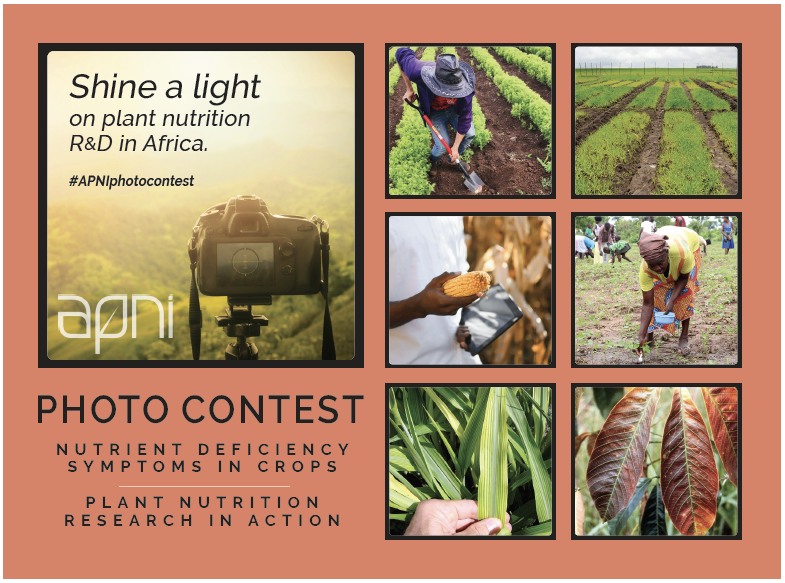
We’re excited to announce the results of our annual photo contest! Thank you for the incredible submissions from across Africa. Your participation helps us showcase nutrient deficiency examples and plant nutrition research, raising awareness about healthy soils and crops, and sharing interesting activities and perspectives about agricultural R&D in Africa.
Cash prizes have been awarded to the top photos in each category, and we’re pleased to feature additional honourable mentions.
The contest will reopen in early 2026—watch for details in the next issue of Growing Africa, on our website, or follow us on social media for updates.
Thank you for helping us celebrate the great work towards improving nutrient use in Africa!
Crop Nutrient Deficiency Category
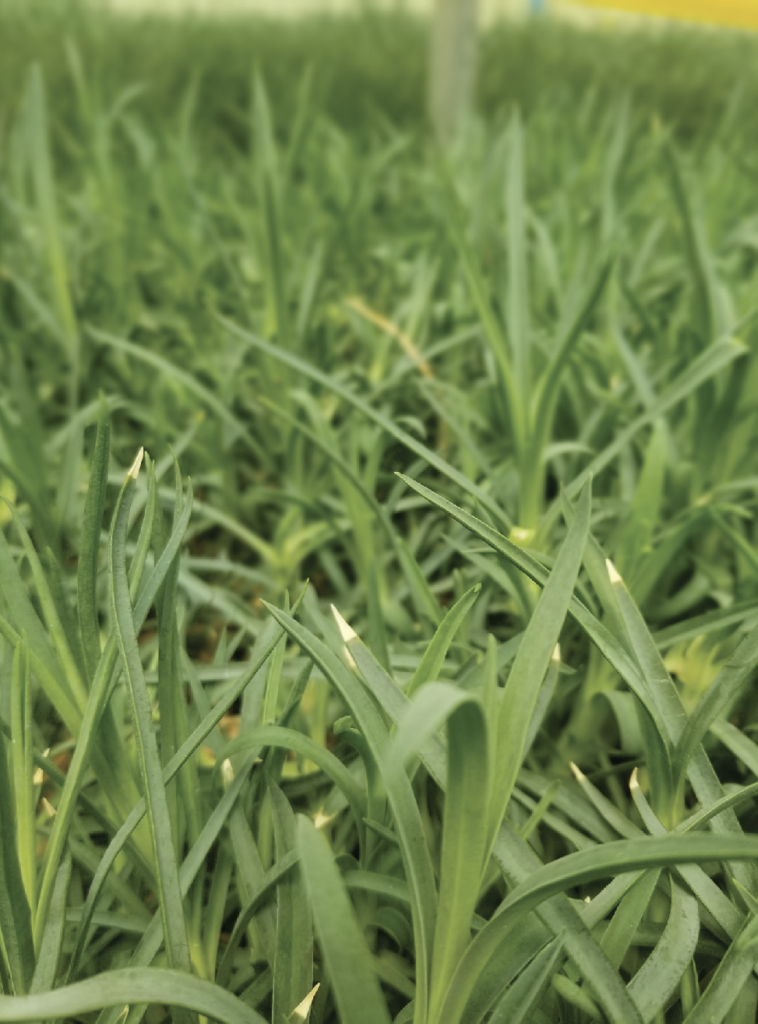
Winning Entry: Calcium Deficiency in Carnation Plants
Mr. Victor Kipkurui, Naivasha, Kenya
Honourable Mention
Mr. Abubakar Ahmad Rufa’l, Yakawada Giwa Local Government Area, Kaduna State, Nigeria
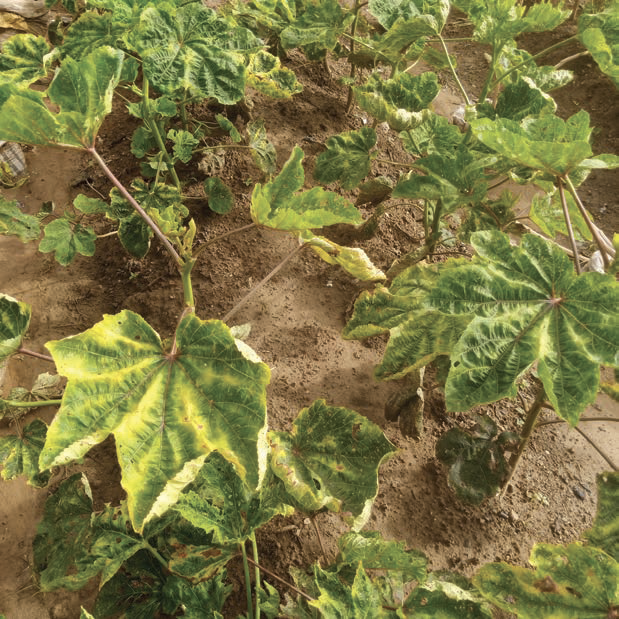
Honourable Mention
Mr. Workat Sebnie, Lalibella, Ethiopia
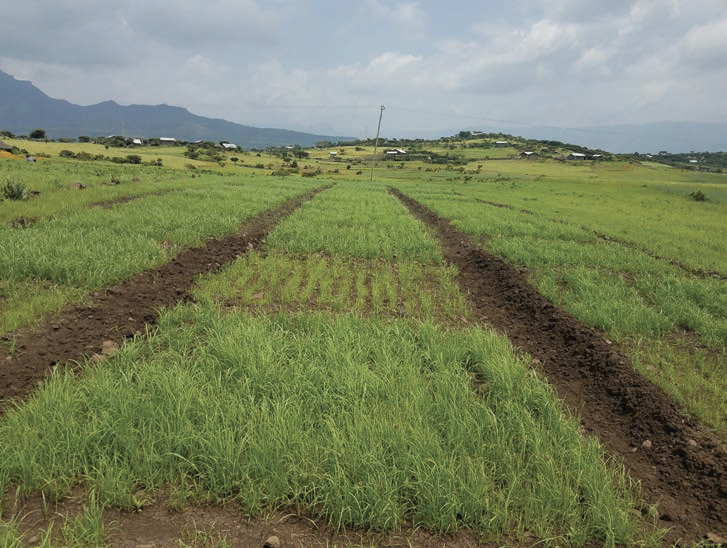
(P) rates in wheat. It clearly illustrates the effects of N deficiency on plant growth in the
experiment’s N omission control plot.
Plant Nutrition Research Category
Winning Entry: Striga Infestation in Maize
Mr. Moses Odur, Mumias West, Kakamega County, Kenya
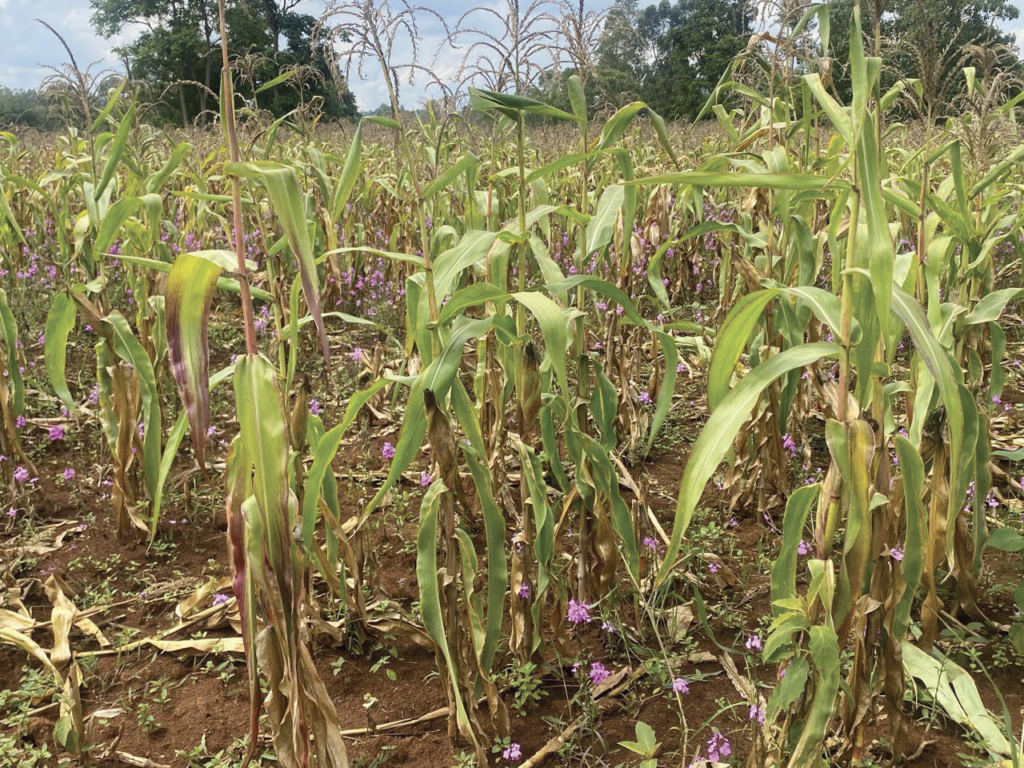
hermonthica (commonly known as purple witchweed) a parasitic plant that significantly reduces maize yields in the region. His ongoing field research links the persistence of Striga to acidic soil conditions (low pH) and plant stress caused by inherent nutrient deficiencies. Moses’s team has implemented agricultural liming treatments to correct soil pH and improve nutrient availability. While they have recorded a notable reduction in Striga density, total eradication has not yet been achieved, indicating the need for integrated soil and crop health strategies.
Honourable Mentions
Ms. Andrialalao Sophie Raharimalala, Ankilizato, Menabe region, Madagascar
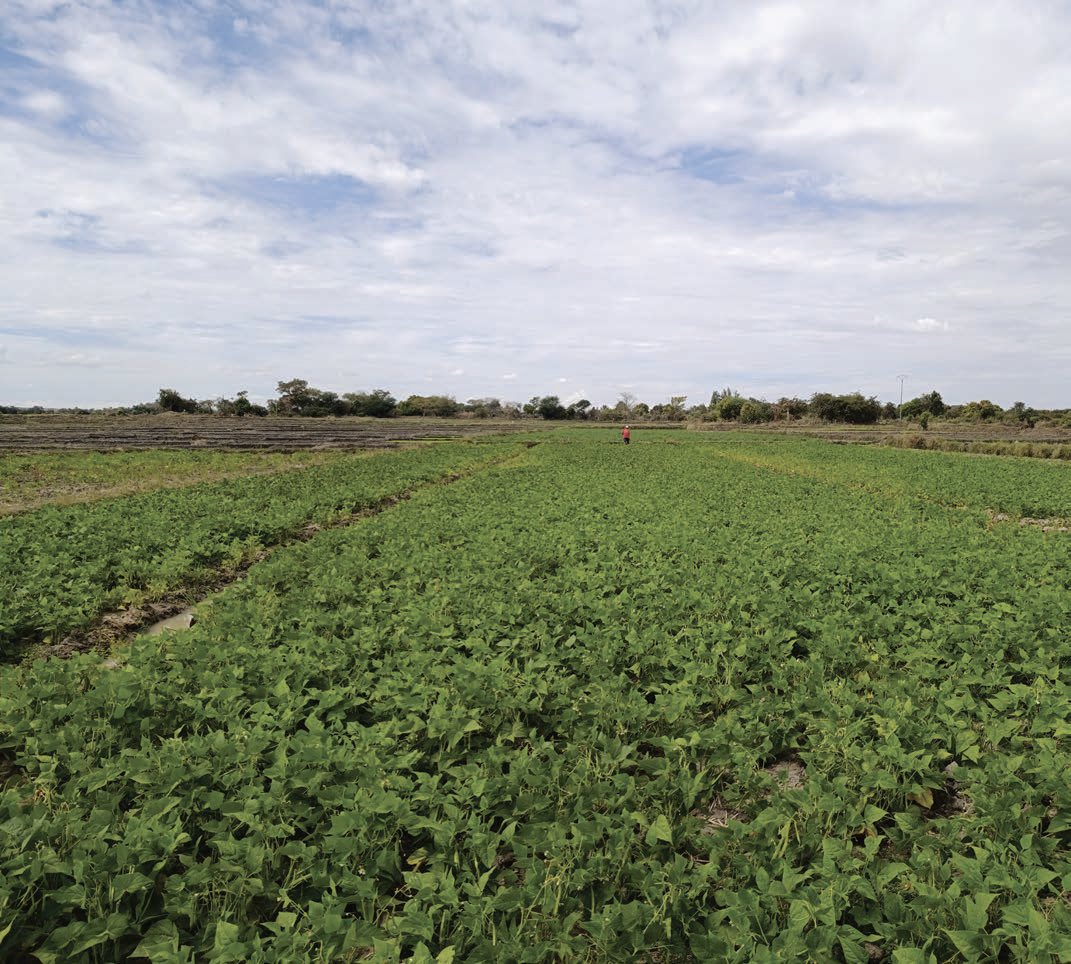
rotation with lowland rice. Andrialalao explains that although farmers in this region may not fully understand the underlying mechanisms of soil fertility improvement, they do recognize the benefits of integrating legumes into their crop rotation. The visible improvement in rice growth and the additional yield obtained after rotating with a leguminous crop encourage them to continue this practice. In addition, the legume grains provide a valuable source of protein and extra income, contributing to improved household nutrition and livelihoods.